The Age of Anonymity is Over: Custom Event Architecture is the New Standard
An Aesthetic Arms Race
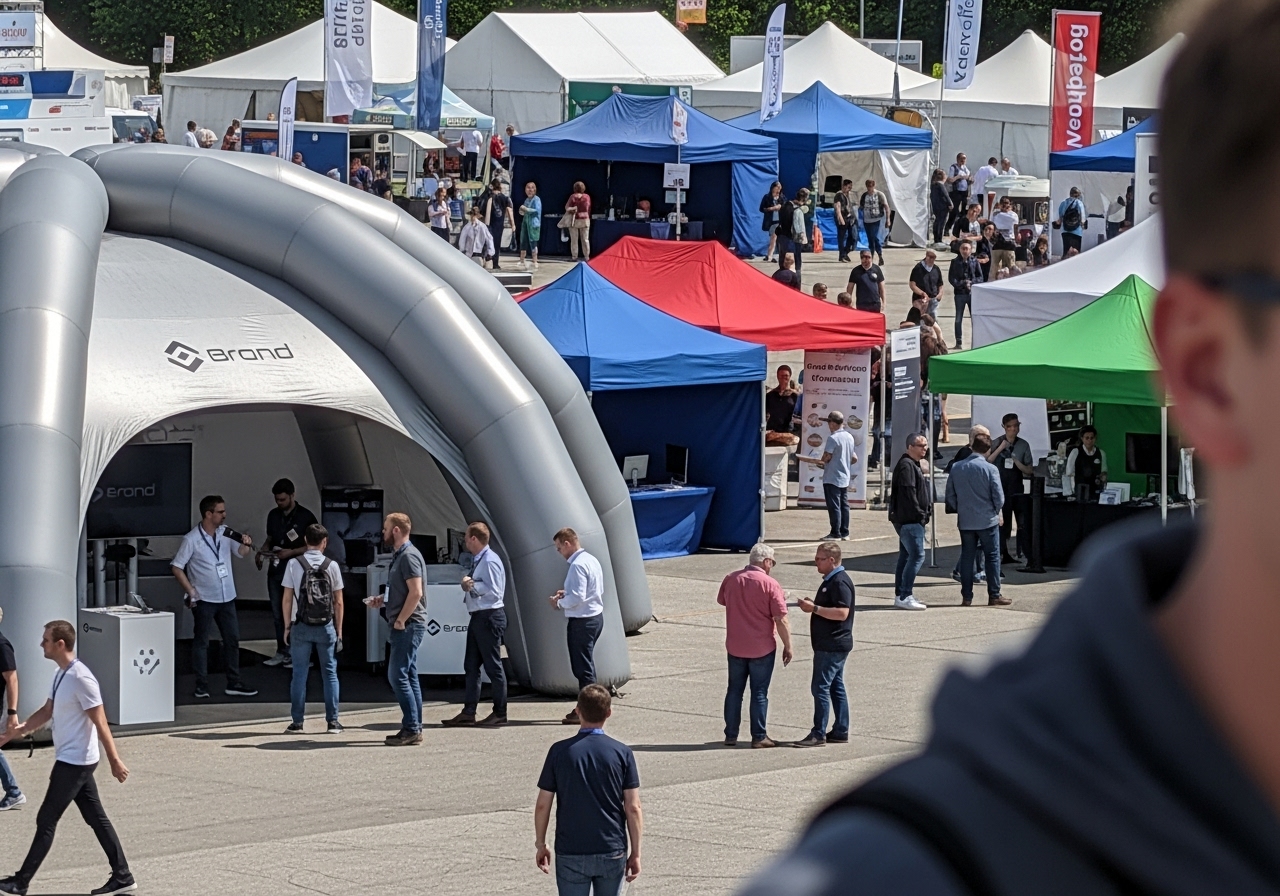
Walk any major trade show or outdoor festival, and you are immediately confronted by a crippling "sea of sameness"—an endless row of white, standardized tents that blend into a single, monotonous blur. This visual anonymity, once accepted as the default, is now the hallmark of a failed event strategy. Why? Because in an environment saturated with stimuli, generic is invisible. A recent Brand Architecture Institute study confirms the financial cost of blending in, finding that custom-designed event structures achieve over 50% higher brand recall than their standardized counterparts. This is not a superficial trend; it is a market correction, signifying that aesthetic differentiation is no longer a luxury but the primary cost of entry for competitive brand strategy.
Forces Remodeling the Landscape
This flight from uniformity is a strategic adaptation to a new reality, shaped by three defining market pressures that have made visual identity paramount.
The Visual Economy: In an era dominated by platforms like Instagram and TikTok, the world is consumed through a visual filter. An event's architectural appeal is now its primary currency for earning organic social media reach; a visually uninspired space is effectively invisible to the most powerful marketing channel in existence.
The Battle for Attention: Today’s event environments are incredibly dense with stimuli. In this fierce competition for eyeballs, generic design is a form of surrender. Unique architectural forms are now a critical first-strike capability, allowing brands to capture attention and earn the right to a conversation before a single word is spoken.
Brand as Cohesive Universe: Modern brands are no longer just a name and a logo; they are curated ecosystems of values, aesthetics, and experiences. The physical event space must be a seamless extension of this universe. A generic structure creates a jarring disconnect, undermining the brand's authenticity and perceived value in the eyes of the consumer.
Blueprint for a Brand Landmark
From Standardized Geometry to Custom Architectural Forms
✗ The old approach relied on generic, box-like structures that blended into the background, forcing brands to fight for attention on a crowded and visually level playing field, resulting in missed opportunities and low visitor traffic.
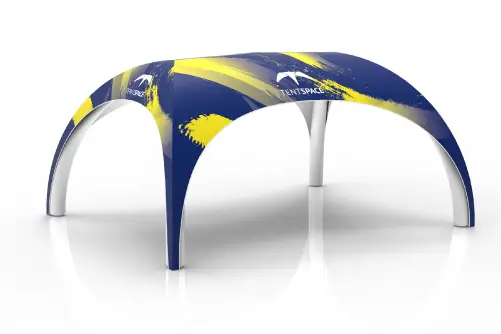
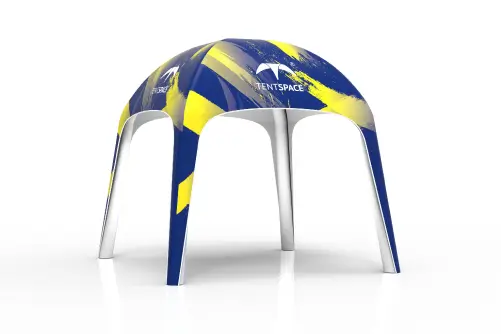
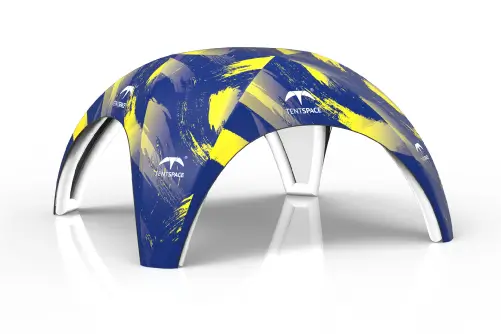
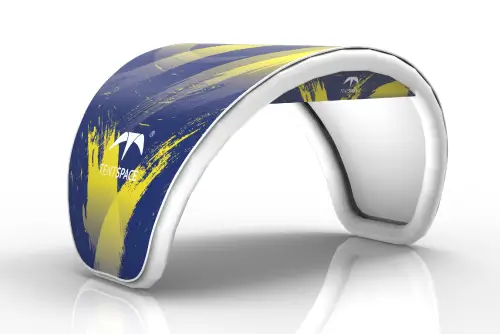
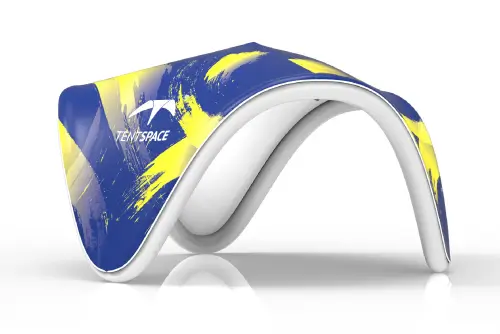
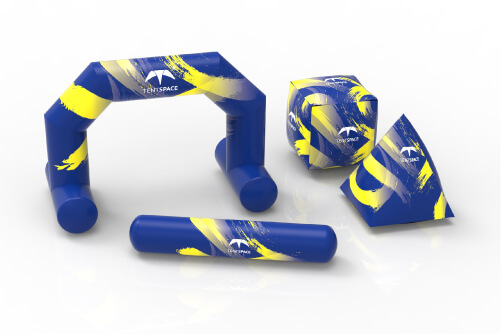
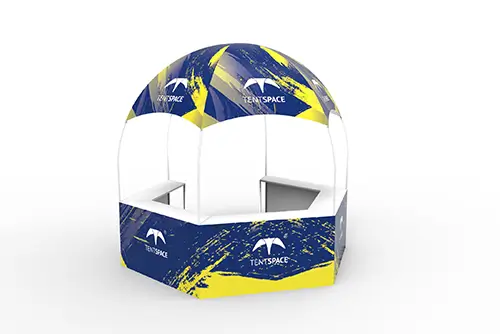
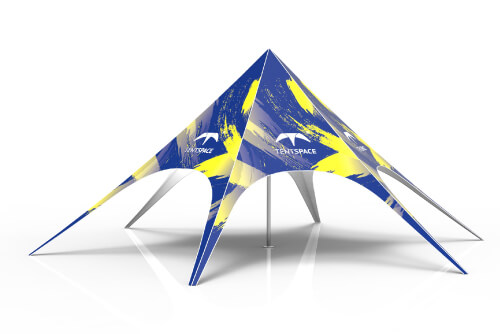
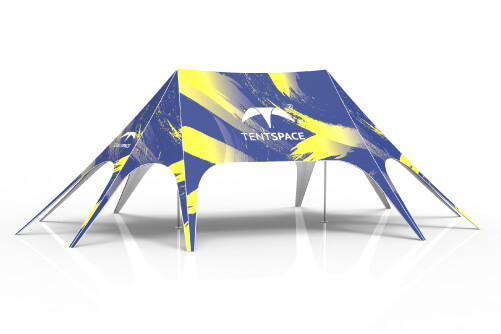
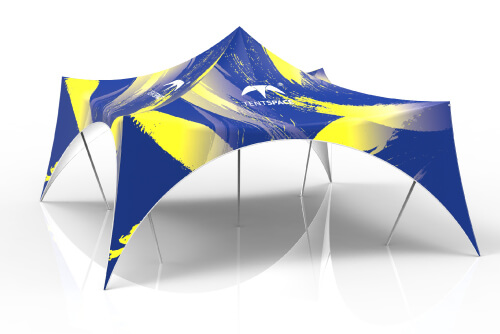
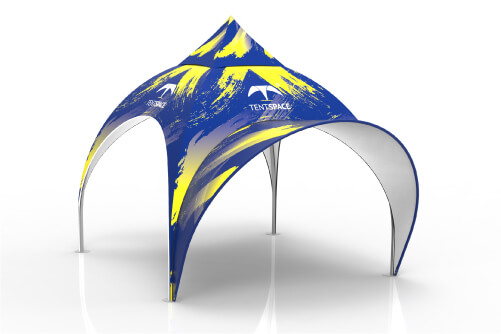
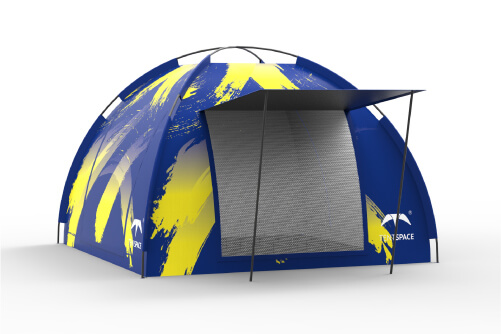
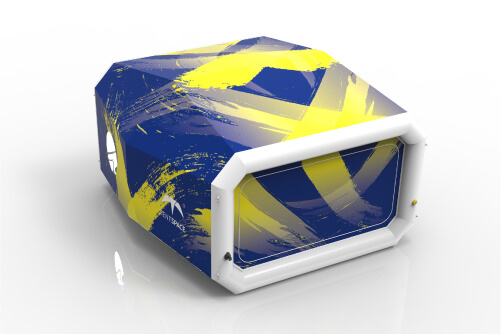
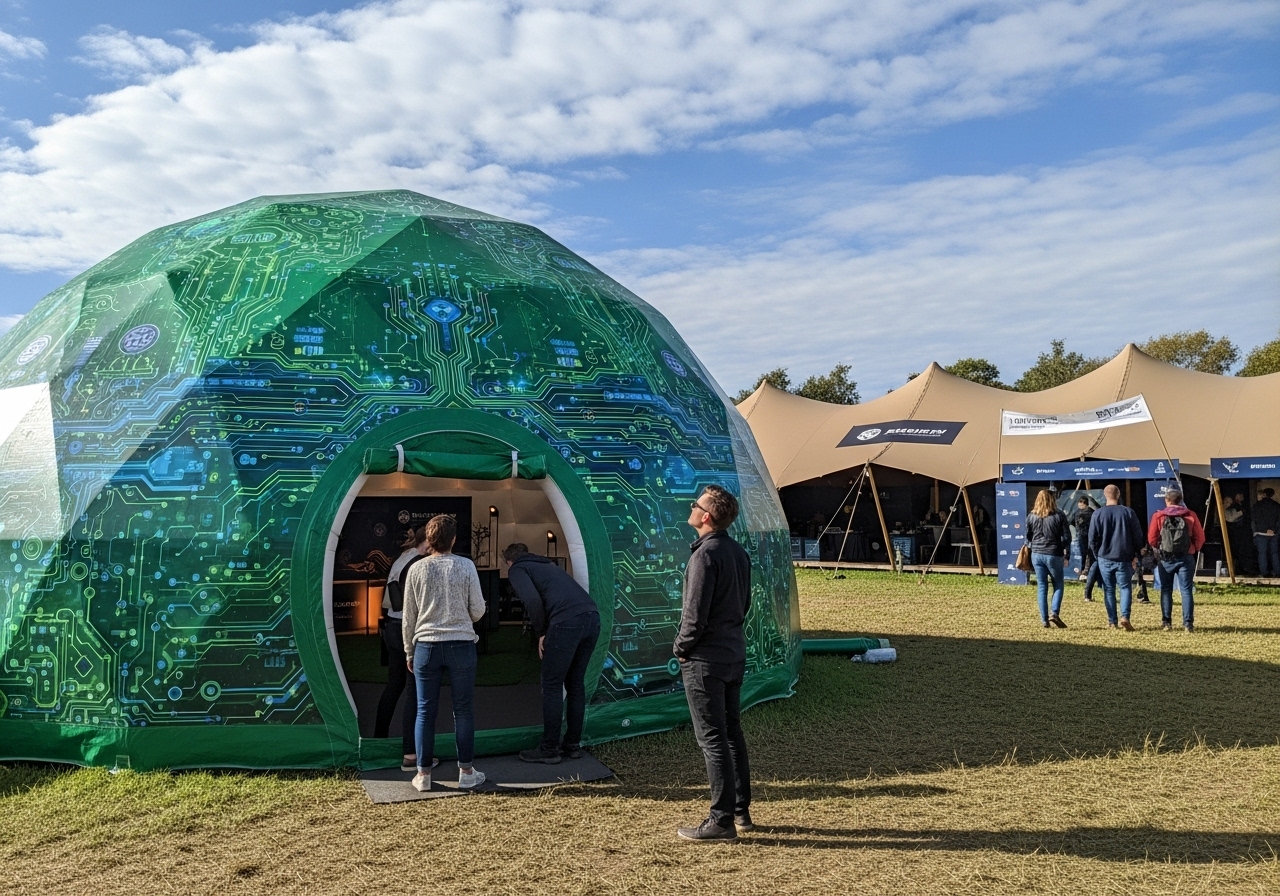
✓ The current trend is to deploy Custom Architectural Tents as landmarks. A unique silhouette—a dome, a tunnel, an organic shape—acts as a powerful visual anchor, which translates into a clear benefit: a measurable increase in foot traffic by up to 25% as attendees are naturally drawn to the most distinctive structure.
From Partial Logo Printing to Full-Surface Brand Immersion
✗ Previously, branding was an afterthought—a simple logo printed on a plain surface. This approach failed to create an emotional connection and presented the brand as a temporary visitor in a borrowed space.
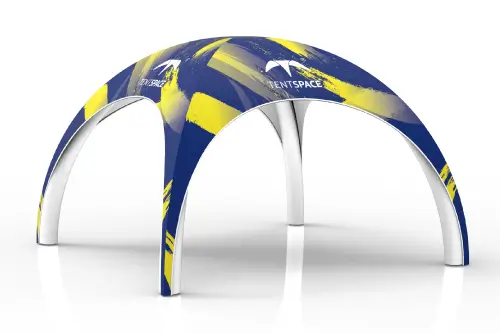
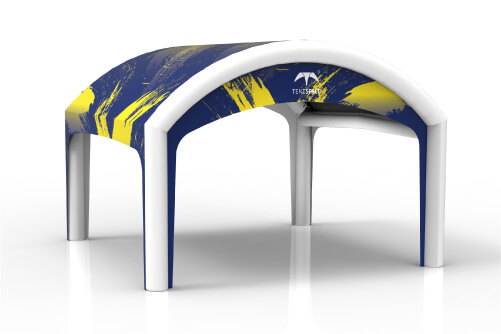
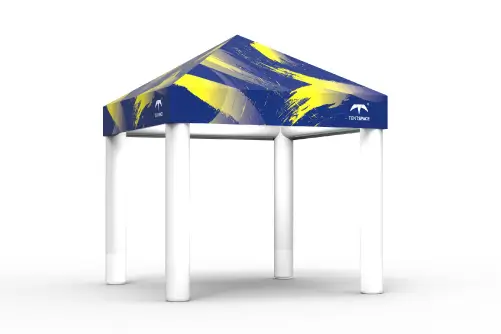
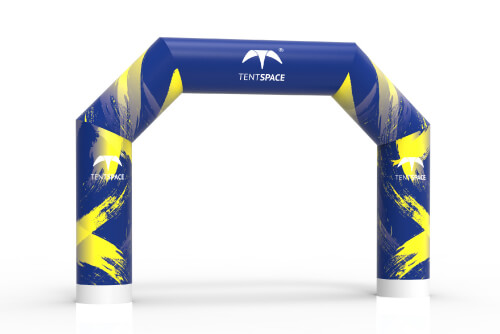
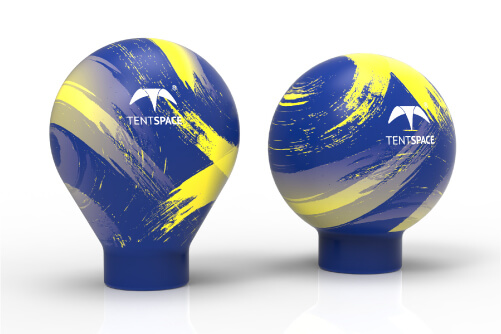
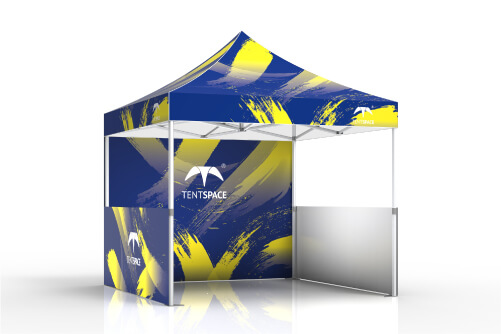
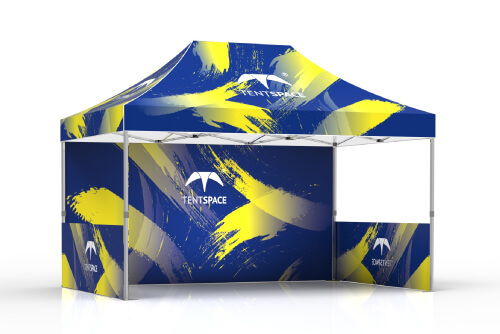
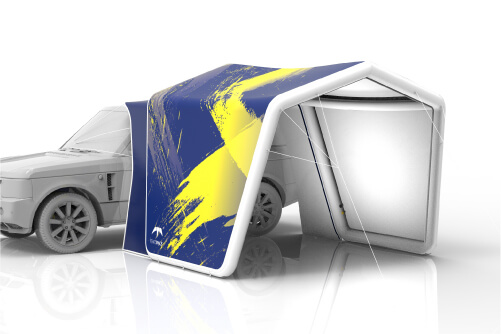
✓ Now, Full-Surface Printed Domes wrap the visitor in a 360-degree brand world. This deep immersion creates a powerful psychological effect, leading to a significantly higher brand recall rate and reinforcing a perception of the brand as established, professional, and detail-oriented.
From Isolated Units to Modular Ecosystems
✗ The traditional model of a single, isolated tent limited events to a single function, forcing a cramped and often chaotic experience where different activities competed for the same space.
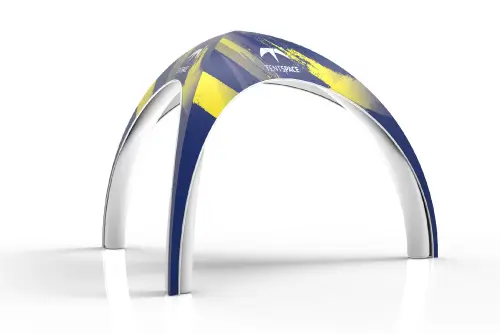
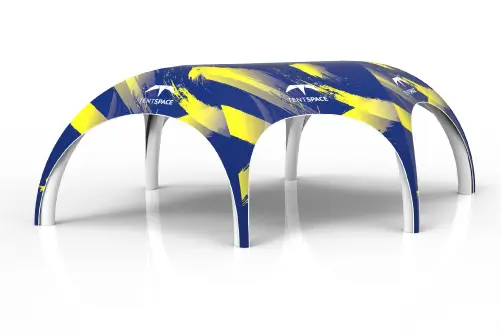
✓ The trend today is to use Modular Inflatable Tent Systems to build a multi-zone "brand campus." By connecting different structures, brands can create a curated journey—from reception to demo to lounge—which delivers a premium experience and demonstrably increases the average visitor's total time on-site.
Design Is Your New Strategy
In the modern event landscape, design is no longer decoration; it is strategy. The mandate for brands is to transition their thinking from procuring a functional item to investing in a strategic architectural asset. This requires a commitment to spatial storytelling, where the structure itself becomes a primary communication tool. Those who embrace this visual revolution will command attention, create unforgettable brand worlds, and build lasting equity, while those who cling to the generic will simply fade into the background. Let us see how is our inflatable tent to show it!