
The Difference Between a Party and a Masterpiece
When the Canvas Constrains the Artist
Event planners orchestrate magic. They pour immense budgets into artisanal floral arrangements, Michelin-inspired catering, and cinematic lighting design. Yet, for all this artistry, the vessel for the experience is often a jarring compromise: a marquee tent. Its industrial skeleton of metal poles and stark vinyl panels becomes a creative cage, forcing designers to hide its inherent ugliness rather than enhance the beauty within. This is the silent frustration in the high-end event industry—How can we use another tents to solve this tricky problem and elevate our event to a high-end level? How can we achieve our theme through simple operations?

Applying a Theme vs. Becoming the World
Imagine a gala themed "A Night Under the Stars." In a traditional marquee, the theme is applied. Starry-night linens are placed on tables, and projectors aim awkwardly at flat, vinyl ceilings, the light reflecting harshly. The theme feels like a layer of decoration inside a box.
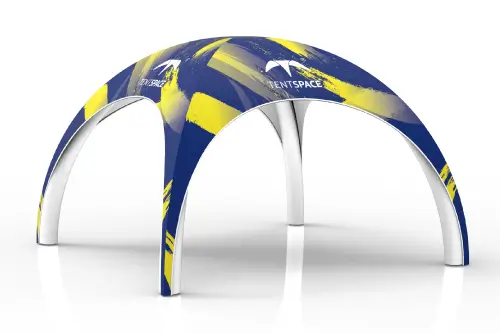
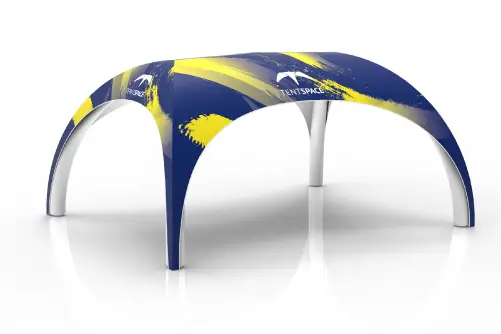
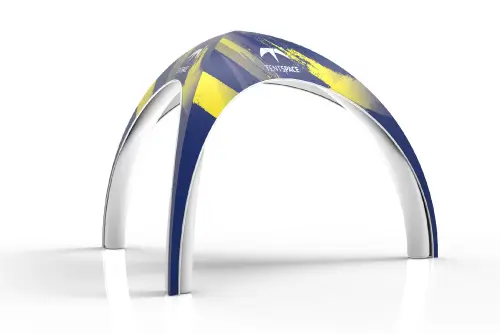
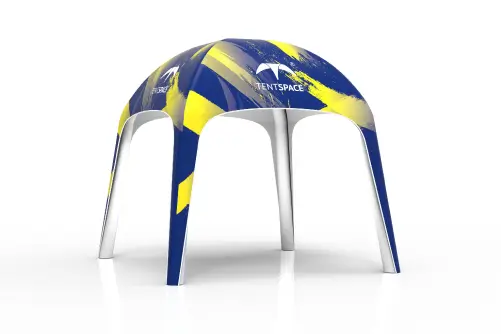
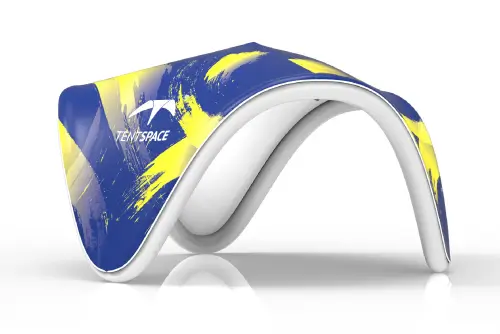
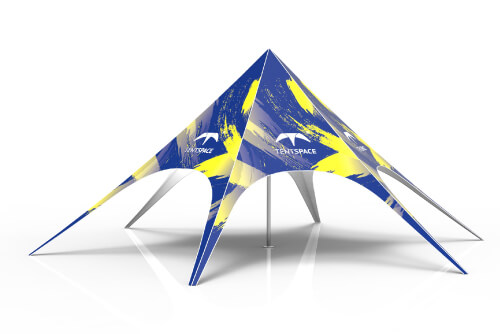
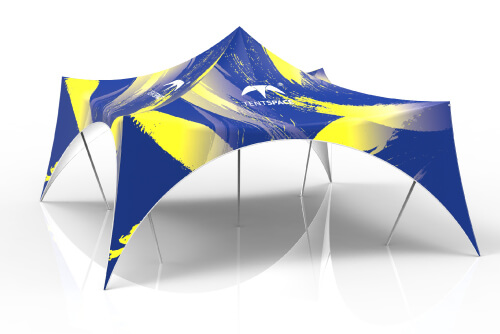
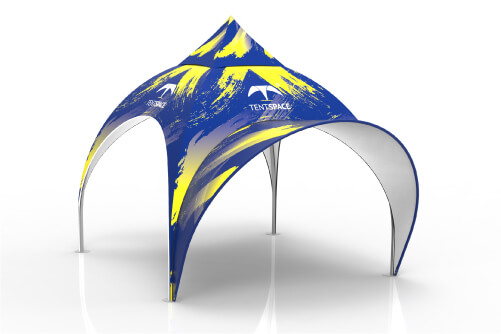
But across the lawn stands a Single-Pole Star Tent, and it is a space of celebration. Its single, soaring peak draws the eye upward, while its fabric canopy swoops down to earth in graceful, open arches. It doesn't wall off the beautiful surroundings; it frames them. Here, the "brand" of the event—be it a wedding's romance or a corporation's ambition—is communicated not by a printed banner, but by the star tent's breathtaking, sculptural silhouette against the twilight sky. It is an instant landmark of elegance.